


SHUNT project
Hunting System Sustainability
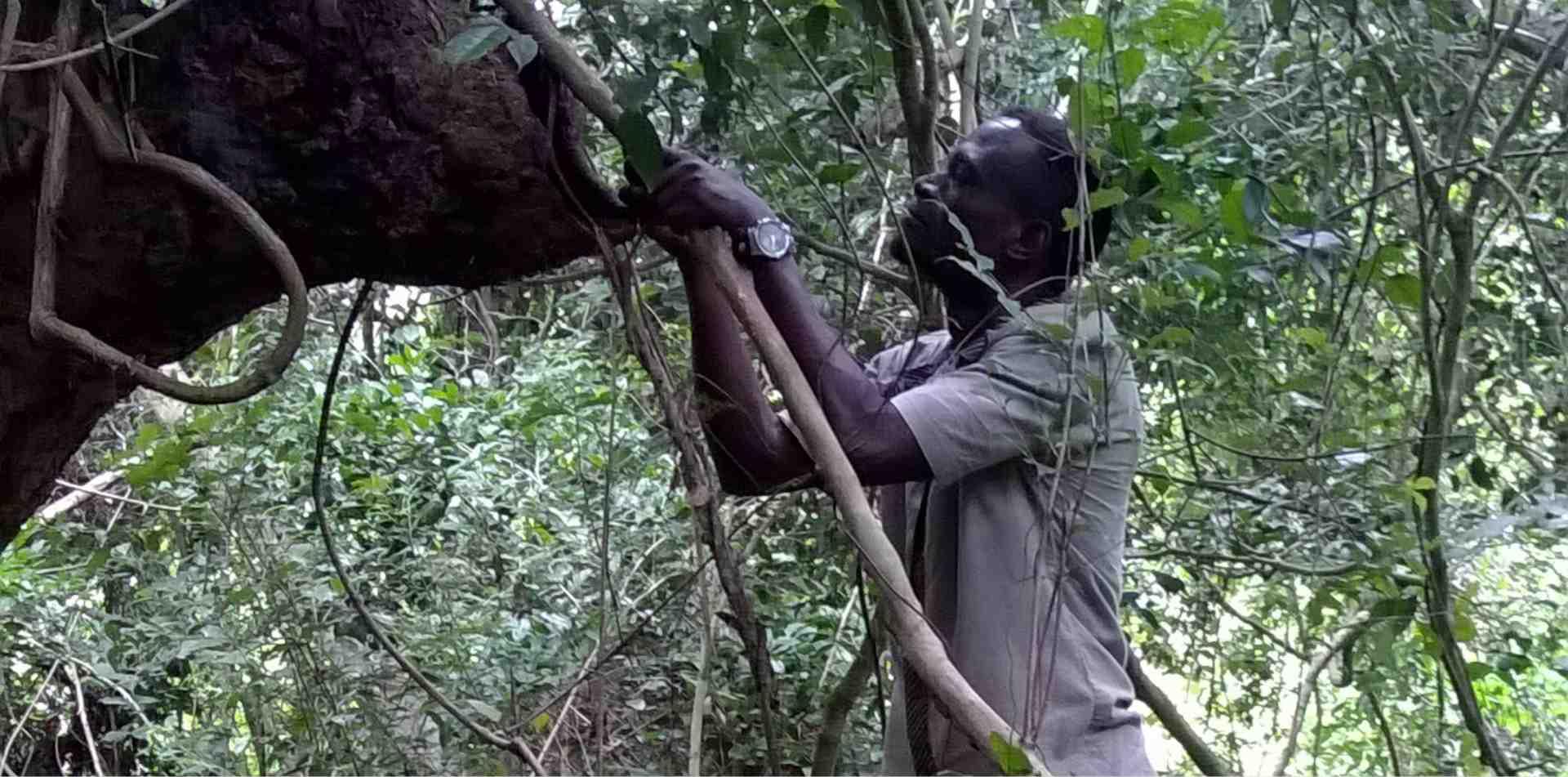
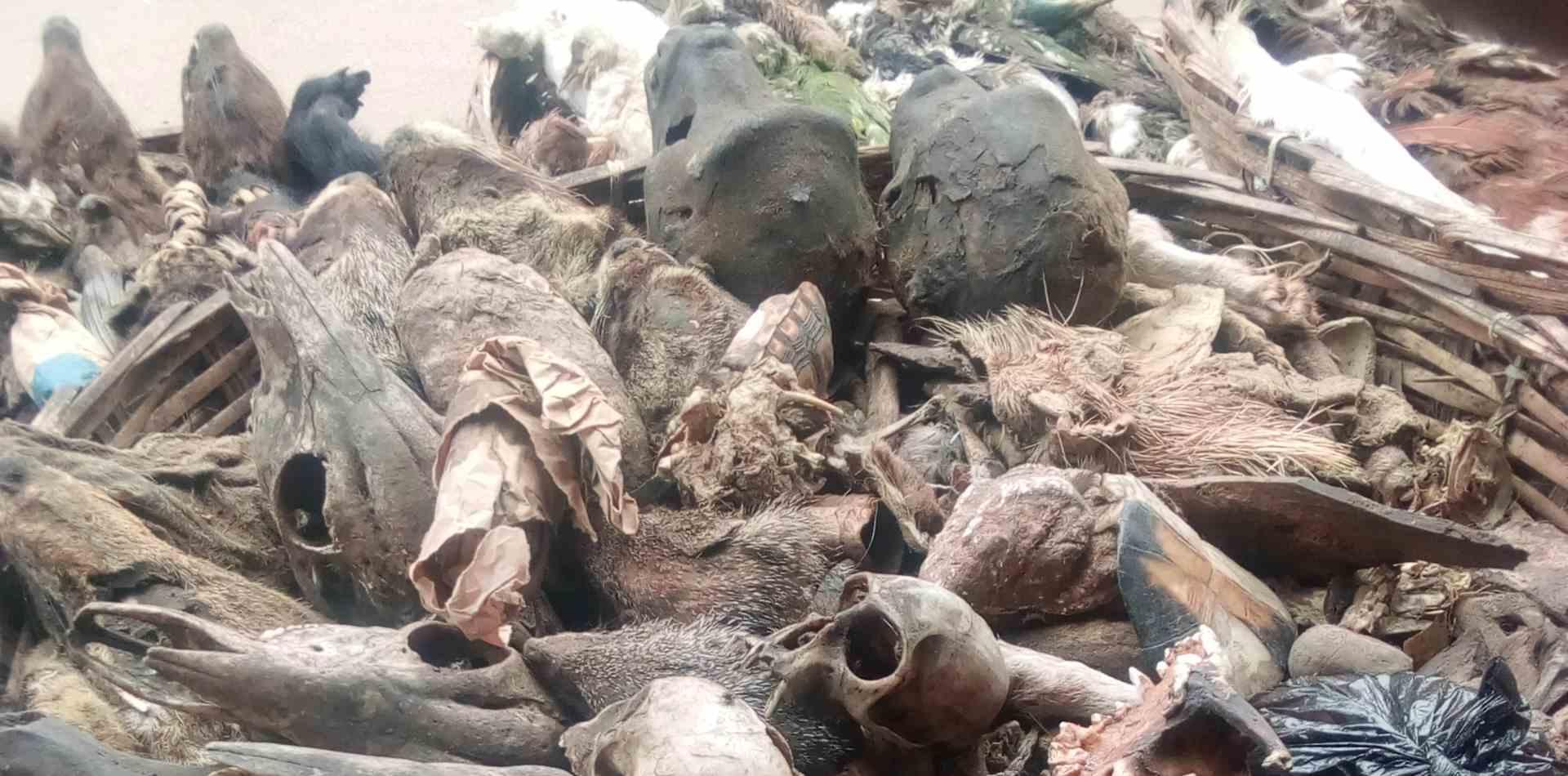
The SHUNT project operates in a context marked by strong anthropogenic pressure on fragmented forest ecosystems, particularly within the Lama Classified Forest, the last major protected forest area in Southern Benin. While hunting is a vital source of protein and income for local populations, it also drives environmental risks (biodiversity loss, local extinctions) and health hazards (pathogen transmission). Our systemic and transdisciplinary approach aims to better understand these dynamics by integrating the knowledge of local stakeholders (hunters, traders, consumers, and authorities) to co-design tailored solutions. SHUNT brings together experts from multiple disciplines—ecology, genetics, virology, ecotoxicology, economics, sociology, and anthropology—to analyze in depth the complex interactions between rural communities, local biodiversity, and the health risks associated with hunting practices and bushmeat consumption.
This innovative project aims to understand the complexity of the "hunting system" in order to propose sustainable solutions for wildlife exploitation. To achieve this, it integrates the social, economic, and ecological dimensions interacting within the forested landscape of Southern Benin. By actively involving all local stakeholders - hunters, traders, consumers, rural communities, NGOs, and management authorities - SHUNT strives to co-design knowledge and strategies tailored to this unique socio-ecological context. Ultimately, the project aims to contribute to biodiversity conservation while supporting local livelihoods, bridging scientific excellence with societal impact.
The project is funded through the French National Research Institute for Sustainable Development (IRD) under its International Joint Laboratory funding scheme, named "Laboratoire Mixte International de l’IRD (LMI)".
Specific Objectives
The SHUNT project is structured around four complementary objectives:
-
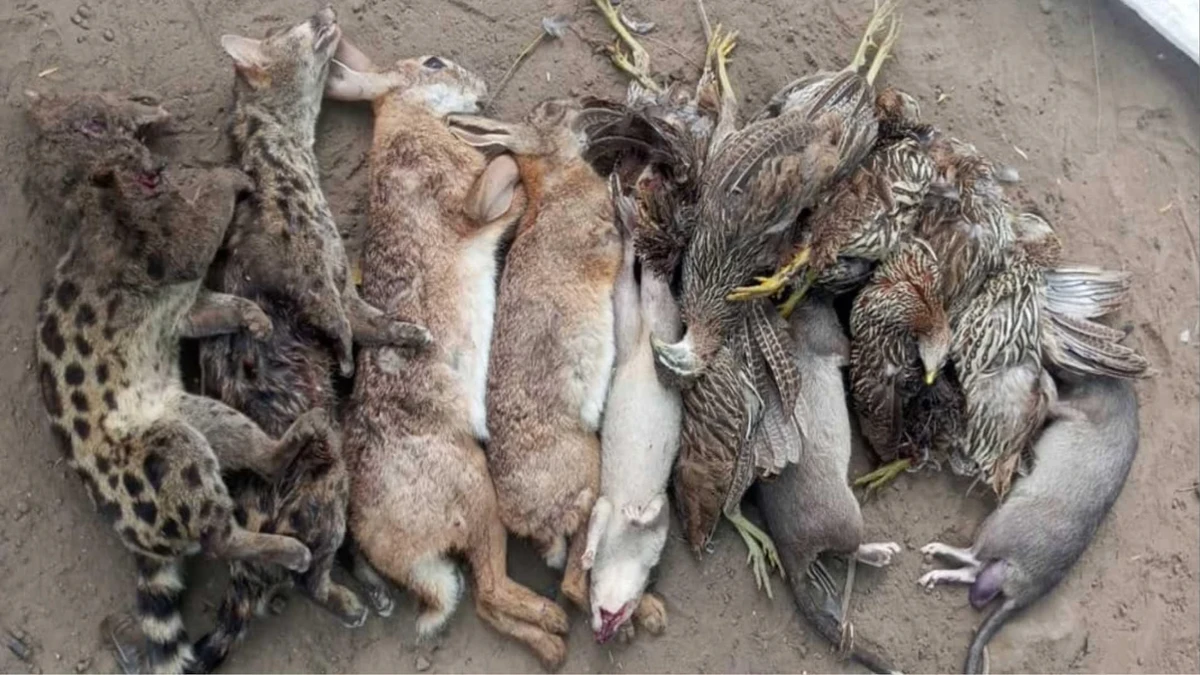
Describe the "hunting–market" supply chain: Identify harvested species, quantify trade volumes, and trace supply flows to points of sale. This axis includes a health component (analyzing pathogens and toxic substances) as well as a socio-economic approach focusing on local uses, perceptions, and community dependence on this resource.
-
Measure impacts on forest ecosystems and human health: Monitor ecological indicators (species diversity, abundance, habitat status) across various sites and observe at-risk practices in the field. This approach links hunting pressure and biodiversity status to zoonotic disease transmission risks.
-
Assess the sustainability of current hunting practices: Integrate ecological, socio-economic, and harvesting data into predictive models designed to estimate the renewal capacity of wildlife populations under exploitation pressure.
-
Translate knowledge into concrete actions: Co-create solutions with local stakeholders to reconcile human needs, biodiversity conservation, and health risk reduction, while raising community awareness and guiding public policies toward sustainable wildlife management.